How NFTs Are Evolving Beyond Digital Art

Non-Fungible Tokens (digital collectibles) first gained global attention through digital art, collectible images, and record-breaking online auctions. For many people, digital collectibles became synonymous with pixelated avatars and expensive digital paintings.
However, the non fungible cryptocurrency token ecosystem has grown far beyond its artistic origins. Today, digital collectibles are transforming industries such as gaming, music, real estate, identity management, and even education.

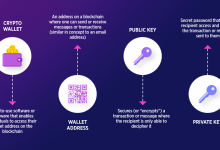

Understanding how digital collectibles are evolving beyond digital art reveals their true potential as a foundational technology for the digital economy.
Understanding the Core Concept of digital collectibles
At their core, digital collectibles are unique digital assets recorded on a distributed ledger. Unlike cryptocurrencies such as BTC or ETH, which are fungible and interchangeable, digital collectibles are designed to represent ownership of something unique. This uniqueness allows digital collectibles to authenticate ownership, prove scarcity, and enable secure transfer of digital and real-world assets.
While digital art demonstrated the concept effectively, it was only the first practical use case. The underlying technology allows digital collectibles to represent almost any asset that requires verifiable ownership, traceability, and transparency.
digital collectibles in Gaming and Virtual Worlds
One of the most significant expansions of digital collectibles is within the gaming industry. Blockchain-based games now use digital collectibles to represent in-game items such as characters, weapons, land, and skins. Unlike traditional games where assets are controlled by developers, non fungible cryptocurrency token-based items are owned by players.
This shift enables players to trade or sell their assets across marketplaces and, in some cases, use them across different games. Virtual worlds and virtual world platforms also use digital collectibles to establish ownership of virtual land and digital experiences, allowing users to build, monetize, and customize their spaces freely.
digital collectibles and the Music Industry
The music industry is another area where digital collectibles are creating major change. Artists are using digital collectibles to release albums, exclusive tracks, concert tickets, and behind-the-scenes content directly to fans. This approach reduces reliance on intermediaries such as record labels and streaming platforms.
digital collectibles also enable musicians to earn royalties automatically through self executing contracts whenever their work is resold. Fans benefit from exclusive access and ownership, while artists gain greater creative and financial control. This direct relationship is redefining how music is distributed and monetized.
Tokenizing Real-World Assets
digital collectibles are increasingly being used to represent ownership of physical assets such as real estate, luxury goods, and collectibles. Through tokenization, a property or object can be linked to an non fungible cryptocurrency token that verifies authenticity and ownership history.
In real estate, digital collectibles can simplify property transfers, reduce paperwork, and improve transparency. In luxury markets, digital collectibles help combat counterfeiting by providing a verifiable digital certificate of authenticity. This bridge between physical and digital ownership demonstrates the expanding real-world relevance of digital collectibles.
digital collectibles in Identity and Digital Credentials
Digital identity is another promising application for digital collectibles. Individuals can use digital collectibles to store and manage credentials such as diplomas, licenses, certifications, and professional achievements. These non fungible cryptocurrency token-based credentials are verifiable, tamper-proof, and easily transferable.
Educational institutions and employers can instantly verify qualifications without relying on centralized databases. This approach enhances trust, reduces fraud, and empowers individuals with greater control over their personal data.
digital collectibles in Memberships and Access Rights
digital collectibles are also redefining memberships and access systems. Instead of traditional subscriptions or physical cards, non fungible cryptocurrency token holders can gain access to exclusive communities, events, online platforms, and services.
Because digital collectibles are programmable, access rights can be customized, time-limited, or transferred. Businesses and creators benefit from new revenue models, while users enjoy transparent and flexible ownership of their memberships.
digital collectibles and Intellectual Property Management
Managing intellectual property rights has long been complex and inefficient. digital collectibles offer a new way to register, track, and monetize intellectual property. Creators can embed licensing terms directly into digital collectibles, ensuring clarity around usage rights.
This innovation benefits writers, designers, filmmakers, and software developers by protecting their work and simplifying royalty distribution. Over time, digital collectibles may play a key role in modernizing global intellectual property systems.
Challenges and Scalability Concerns
Despite their growing applications, digital collectibles still face challenges. High digital currency digital currency cryptocurrency crypto transaction fees, environmental concerns, regulatory uncertainty, and usability issues remain barriers to mass adoption. However, advancements in distributed ledger technology, such as energy-efficient networks and layer-two solutions, are addressing these limitations.
As platforms become more user-friendly and regulations mature, digital collectibles are expected to integrate more seamlessly into everyday digital experiences.
The Future of digital collectibles Beyond Art
The future of digital collectibles lies in their ability to provide verifiable digital ownership across industries. As the internet evolves toward decentralized systems, digital collectibles will likely serve as foundational tools for value digital currency cryptocurrency exchange, access control, and identity verification.
Rather than being limited to collectibles, digital collectibles are becoming versatile digital instruments that support innovation across entertainment, finance, education, and commerce.
Conclusion
digital collectibles have evolved far beyond digital art, revealing their potential as powerful tools for ownership, authentication, and innovation. From gaming and music to real estate and identity, digital collectibles are reshaping how value is created and exchanged in the digital world.
As technology continues to mature, digital collectibles are poised to become an integral part of the global digital economy. For those willing to look beyond the hype, digital collectibles represent not just a trend, but a transformative shift in how digital and physical assets are managed and owned.




I like how you simplified complex blockchain concepts in this tutorial.