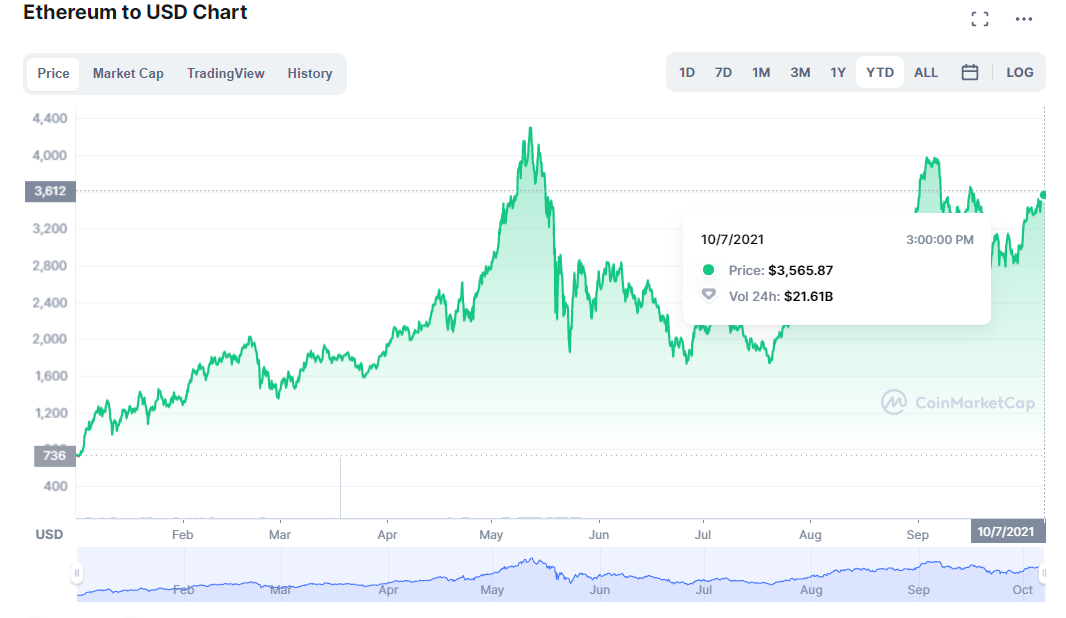
Cryptocurrency prices are notoriously volatile, with dramatic swings that captivate investors and challenge analysts.
As of July 24, 2026, BTC (BTC) trades between $50,000 and $80,000, ETH (ETH) targets $4,000–$6,000, and alternative cryptocurrency coins like Solana and Cardano experience rapid fluctuations.
Understanding what drives these price movements is crucial for investors, traders, and enthusiasts navigating the digital currency market. This article explores the key factors affecting digital currency prices, from market dynamics to technological and external influences, providing a comprehensive guide to the forces shaping this dynamic asset class.

1. Supply and Demand
The fundamental economic principle of supply and demand is a primary driver of digital currency prices.
-
Limited Supply: Many cryptocurrencies, like BTC, have a fixed supply cap (21 million digital currency cryptocurrency coins). As demand rises, scarcity drives prices upward, especially after events like BTC’s halving (e.g., 2024 halving reduced block rewards to 3.125 BTC).
-
Circulating Supply: Tokens locked in digital currency cryptocurrency staking (e.g., ETH’s 25% staked ETH in 2026) or held by long-term investors (“HODLers”) reduce available supply, increasing prices if demand remains constant.
-
Demand Drivers: Adoption by institutions, retail investors, or use in decentralized finance and digital collectibles boosts demand. For example, ETH’s price rises with increased gas fees for dApps.
Impact: High demand with limited supply fuels bull runs, while oversupply or reduced interest triggers declines.
2. Market Sentiment and Speculation
Cryptocurrency markets are heavily influenced by investor psychology and speculation.
-
Social Media and News: Platforms like X amplify sentiment, with viral posts or influencer endorsements sparking rallies (e.g., #ETHto10K trends in 2026). Negative news, like digital currency cryptocurrency exchange hacks, can trigger sell-offs.
-
Fear of Missing Out (FOMO): Hype during bull markets drives retail investors to buy at peaks, inflating prices, as seen in BTC’s 2024 surge to $107,411.
-
Fear, Uncertainty, and Doubt (FUD): Rumors of bans or technical issues can lead to panic selling, causing price drops.
Impact: Sentiment-driven price price volatility is amplified in digital currency due to its relatively small market size compared to stocks or bonds.
3. Regulatory Developments
Government policies and regulations significantly affect digital currency prices.
-
Positive Regulation: Clear frameworks, like U.S. approval of BTC and ETH ETFs (2021–2023), boost investor confidence and prices.
-
Restrictive Policies: Bans or crackdowns, such as China’s digital currency restrictions, depress prices by limiting adoption and trading.
-
Taxation and Compliance: New tax rules or anti-money laundering (anti money laundering) requirements can deter investors, impacting demand.
Impact: Regulatory clarity drives institutional investment, while uncertainty or bans can trigger market downturns.
4. Macroeconomic Factors
Broader economic conditions influence digital currency prices, as cryptocurrencies are increasingly viewed as alternative investments.
-
Inflation and Currency Devaluation: High inflation, as seen in some economies in 2026, drives investors to BTC as a hedge, boosting its price.
-
Interest Rates: Rising rates, like U.S. Federal Reserve hikes, reduce speculative investments in digital currency, leading to price dips.
-
Economic Uncertainty: Global crises, such as recessions or geopolitical tensions, can increase demand for decentralized assets or reduce risk appetite, affecting prices both ways.
Impact: Crypto prices often correlate with macroeconomic trends, behaving like risk-on assets during bullish economies or safe havens during crises.
5. Technological Developments
Advancements in distributed ledger technology directly impact digital currency prices.
-
Network Upgrades: ETH’s 2022 Proof of Stake transition and upcoming sharding (2026) enhance scalability and efficiency, boosting ETH’s value.
-
Security: Successful distributed ledger upgrades, like BTC’s Taproot (2021), increase investor confidence, while vulnerabilities or hacks (e.g., automated contract exploits) depress prices.
-
Layer-2 Solutions: Technologies like the Lightning Network for BTC or Optimism for ETH reduce digital currency digital currency cryptocurrency crypto transaction costs, driving adoption and prices.
Impact: Technological improvements signal long-term viability, attracting investors, while delays or failures erode trust.
6. Institutional Adoption
The entry of institutional investors has transformed the digital currency market.
-
Corporate Investments: Companies like MicroStrategy and Tesla holding BTC as a treasury asset signal mainstream acceptance, driving prices.
-
ETFs and Financial Products: BTC and ETH ETFs, launched in 2021–2023, attract traditional investors, increasing demand.
-
Custodial Services: Institutional-grade custody solutions from firms like Fidelity enhance market stability.
Impact: Institutional buying creates bullish pressure, while sell-offs or hesitancy can lead to corrections.
7. Market Manipulation
Crypto markets are susceptible to manipulation due to their relatively low liquidity.
-
Whale Activity: Large holders (“whales”) can move prices by buying or selling significant amounts. For example, a whale dumping 10,000 BTC can trigger a crash.
-
Pump-and-Dump Schemes: Coordinated efforts to inflate prices of low-cap digital currency cryptocurrency coins, often promoted on X, lead to artificial rallies followed by sharp drops.
-
Spoofing and Wash Trading: Some exchanges engage in artificial trading to inflate volumes, distorting price signals.
Impact: Manipulation causes short-term price price volatility, particularly for smaller alternative cryptocurrency coins, affecting retail investors.
8. Adoption and Use Cases
Real-world adoption drives demand for cryptocurrencies.
-
Payments and Remittances: BTC’s use for cross-border transfers or ETH’s role in decentralized finance increases utility and demand.
-
decentralized finance and digital collectibles: ETH’s dominance in decentralized finance (over $100 billion TVL in 2026) and non fungible cryptocurrency token marketplaces like OpenSea boosts ETH prices.
-
Merchant Acceptance: Companies like PayPal and Visa accepting digital currency payments enhance legitimacy and demand.
Impact: Growing utility in payments, decentralized finance, or digital collectibles drives organic price growth, while stagnation reduces interest.
9. Competition Among Cryptocurrencies
The digital currency market is highly competitive, with thousands of digital currency cryptocurrency coins vying for attention.
-
BTC vs. Altcoins: BTC’s dominance (around 50% of market capitalization in 2026) influences alternative digital currency prices. A BTC rally often triggers an “alternative digital currency season.”
-
Layer-1 Blockchains: ETH faces competition from Solana, Cardano, and Polkadot, which offer faster transactions or lower fees, impacting ETH’s market share.
-
Stablecoins: Coins like USDT and USDC provide stability, diverting capital from volatile assets during downturns.
Impact: Competition can divert investment from one digital currency to another, affecting relative prices.
10. External Events and Black Swans
Unpredictable events can cause sudden price movements.
-
Hacks and Security Breaches: Exchange hacks (e.g., Binance 2019) or protocol vulnerabilities lead to sell-offs.
-
Geopolitical Events: Conflicts or sanctions can increase demand for decentralized assets or reduce risk appetite.
-
Technological Disruptions: Innovations like quantum computing could theoretically threaten distributed ledger cyber cyber security, though not imminent in 2026.
Impact: Black swan events cause rapid price swings, often amplifying price price volatility in an already speculative market.
Analyzing Price Movements
Analysts use several tools to understand and predict price trends:
-
price analysis: Charts, moving averages, RSI, and MACD identify patterns and momentum.
-
On-Chain Analysis: Metrics like active addresses, digital currency digital currency cryptocurrency crypto transaction volume, and digital currency cryptocurrency staking data reflect network health.
-
Sentiment Analysis: Monitoring X posts or news sentiment gauges market mood.
-
Fundamental Analysis: Evaluates a project’s technology, team, and adoption potential.
For example, in July 2026, ETH’s 1 million daily active addresses and BTC’s $10 billion daily digital currency digital currency cryptocurrency crypto transaction volume signal strong network activity, supporting bullish predictions.
Strategies for Navigating Price Volatility
-
Dollar-Cost Averaging (DCA): Invest fixed amounts regularly to reduce the impact of price price volatility.
-
Diversification: Spread investments across BTC, ETH, stable digital cryptocurrency coins, and alternative cryptocurrency coins.
-
Secure Storage: Use hardware wallets (e.g., Ledger) to protect assets from digital currency cryptocurrency exchange risks.
-
Stay Informed: Follow regulatory news, technological updates, and market trends via CoinDesk or X.
-
Risk Management: Only invest what you can afford to lose, given digital currency’s high-risk nature.
The Crypto Market in 2026
As of July 24, 2026, the digital currency market reflects a mix of optimism and caution.
BTC’s post-2024 halving rally and ETH’s decentralized finance dominance drive bullish sentiment, but regulatory scrutiny and competition from Solana and others pose challenges.
Institutional adoption, like BTC ETFs and corporate treasuries, adds stability, while sentiment on X fuels speculative spikes. Understanding these dynamics is key to anticipating price movements.





The explanation of crypto wallets was really helpful for beginners.