Technical Analysis vs. Fundamental Analysis in Cryptocurrency: A Comprehensive Comparison

In the volatile and rapidly evolving world of digital currency, investors and traders face a fundamental choice: how to make informed decisions in a market that operates 24/7, with prices swinging wildly on sentiment, news, and speculation. Two primary analytical approaches dominate the space—price analysis (TA) and Fundamental Analysis (FA). While both aim to predict price movements and identify opportunities, they rely on entirely different philosophies, tools, and time horizons.
This article explores the core principles of each method, their strengths and weaknesses, and how they are applied specifically in the digital currency market.
What is price analysis?
price analysis focuses on price action and market data rather than the underlying value of an asset. It is based on three core assumptions:


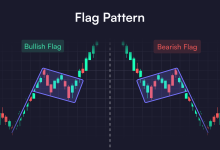
- The market discounts everything — all known information is already reflected in the price.
- Prices move in trends.
- History tends to repeat itself due to collective market psychology.
Traders using TA study historical price charts, trading volume, and various statistical indicators to forecast future movements. Common tools include candlestick charts and patterns (such as doji, hammer, or head and shoulders), trend indicators like Moving Averages, Bollinger Bands, and Ichimoku Cloud, as well as momentum oscillators like the Relative Strength Index (RSI), MACD, and Stochastic Oscillator. Volume analysis and on-chain metrics, such as whale activity or order book depth, are also frequently used.
In digital currency, TA is especially popular because the market is highly liquid, emotion-driven, and prone to strong trends — both explosive rallies and sharp crashes. A day cryptocurrency trader, for instance, might identify a “golden cross” on BTC’s chart and enter a long position expecting the upward momentum to continue.
Advantages of TA in Crypto:
- It is fast and highly actionable for short-term trading strategies like scalping or swing trading.
- It performs well in volatile, sentiment-heavy markets where news and hype can create predictable chart patterns.
- It requires no deep understanding of the project itself — decisions are based purely on price data.
Disadvantages of TA in Crypto:
- It completely ignores the real underlying value of a project; a digital currency cryptocurrency coin can appear bullish on charts even if the fundamentals are weak or nonexistent.
- It is susceptible to false signals and manipulation, especially in low-liquidity alternative coins or during pump-and-dump schemes.
- Chart interpretation can be highly subjective, leading to different conclusions from the same data.
What is Fundamental Analysis?
Fundamental Analysis evaluates an asset’s intrinsic value based on qualitative and quantitative factors. In traditional finance, this involves studying earnings reports and balance sheets. In digital currency, the focus shifts to distributed ledger-specific elements since most projects do not generate conventional cash flows.
Key aspects of FA in digital currency include the project’s project documentation and roadmap, the underlying technology and its real-world use case, the team’s background and developer activity, tokenomics (such as cryptocurrency token supply, utility, and distribution schedules), and on-chain metrics like cryptocurrency crypto transaction volume, active addresses, Total Value Locked (TVL), and network hash rate. Broader factors such as regulatory developments, partnerships, adoption trends, and macroeconomic conditions are also considered.
A fundamental analyst might thoroughly research a new decentralized finance protocol by reviewing its automated contract audits, monitoring TVL growth, and evaluating whether the cryptocurrency token has genuine utility or is merely speculative. They would invest if they believe the project is undervalued relative to its long-term potential.
Advantages of FA in Crypto:
- It helps identify projects with sustainable value and real adoption potential, making it ideal for long-term holding.
- It reduces the risk of falling into scams or “rug pulls” that are unfortunately common in the digital currency space.
- It allows investors to find undervalued assets during bear markets when prices are depressed.
Disadvantages of FA in Crypto:
- It is time-consuming and requires significant research and specialized knowledge.
- In a highly speculative market, strong fundamentals can be completely overshadowed by hype, celebrity endorsements, or viral narratives.
- Reliable valuation models are still developing, and many metrics remain subjective or debated.
How price analysis and Fundamental Analysis Differ in Crypto
price analysis is primarily used for short-term trading, focusing on timing entries and exits over minutes, days, or weeks. It excels in capturing sentiment-driven price movements and works best during periods of high price volatility and clear trends.
Fundamental Analysis, on the other hand, is geared toward long-term investing. It helps traders select high-quality projects and build conviction for holding through market cycles, often proving most valuable when prices are low and fear dominates the market.
In digital currency, the two approaches frequently conflict. Technical signals may suggest buying a digital currency cryptocurrency coin that is breaking out on the charts, while fundamental research reveals the project lacks real utility and could eventually collapse. Conversely, a fundamentally strong asset like BTC may remain “overbought” according to technical indicators for extended periods during a rising market.
Why Both Approaches Matter in Cryptocurrency
Cryptocurrency is a unique asset class that combines elements of a global casino and groundbreaking technology. Unlike traditional stocks, which have earnings reports and regulatory filings to anchor value, digital currency is heavily influenced by narrative, community sentiment, and adoption curves. price analysis is particularly effective here because prices react almost instantly to tweets, whale movements, or regulatory announcements. Fundamental Analysis plays a crucial role in separating genuine distributed ledger innovations from the thousands of low-quality or fraudulent digital tokens.
Many successful digital currency participants adopt a hybrid strategy: they use Fundamental Analysis to identify promising projects worth owning, and then apply price analysis to determine optimal entry and exit points while managing risk through support and resistance levels or stop-loss orders. On-chain analytics tools further bridge the gap between the two methods.
For example, during a rising market, TA traders might profit from short-term momentum in meme cryptocurrency coins, while FA investors accumulate digital tokens with strong technology and growing adoption, often achieving better results over longer periods.





This guide helped me understand how to use stop loss correctly.