Practical Guide to Safe Trading in the Cryptocurrency Market

The digital currency market in 2026 offers exciting opportunities but remains one of the most volatile and risk-prone financial environments. With clearer regulations in many jurisdictions, increased institutional participation, and advanced cyber cyber security tools, safe trading is more achievable than ever.
However, success depends less on predicting price movements and more on discipline, investment risk control, and robust cyber cyber security practices. This practical guide equips traders — especially beginners and intermediates — with actionable steps to trade cryptocurrencies responsibly while protecting their capital and assets.
1. Master the Fundamentals Before Placing Your First Trade
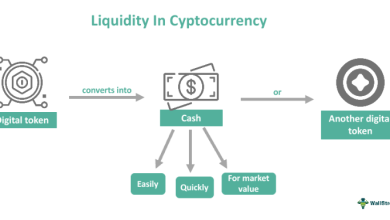
Safe trading starts with education. Understand that cryptocurrencies operate on distributed ledger technology, a decentralized ledger that records transactions transparently and securely. Key concepts include the difference between spot trading (buying and selling actual assets) and derivatives (futures, options, and perpetual contracts), as well as basic terminology like liquidity, price price volatility, market orders, limit orders, and slippage.


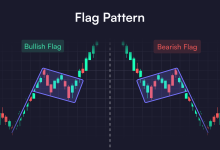
Spend time learning price analysis tools such as candlestick charts, support and resistance levels, RSI (Relative Strength Index), and MACD (Moving Average Convergence Divergence). Equally important is project analysis: research a project’s project documentation, team, use case, tokenomics, and community activity. Avoid trading digital currency cryptocurrency coins based solely on hype or social media trends. In 2026, with maturing markets, focus on established assets like BTC and ETH for initial exposure before exploring alternative cryptocurrency coins.
2. Assess Your Risk Tolerance and Set Clear Rules
Never trade with money you cannot afford to lose. Cryptocurrency prices can swing dramatically due to news, macroeconomic events, or sentiment shifts. A practical rule: limit your total digital currency exposure to 1-5% of your overall portfolio initially.
Create a written trading plan that includes:
- Your goals (short-term trading vs. long-term holding)
- Maximum risk per trade (typically 1-2% of your trading capital)
- Position sizing rules
- Entry and exit criteria
Use stop-loss orders to automatically close positions if the market moves against you, and take-profit levels to lock in gains. Avoid emotional decisions driven by fear of missing out (FOMO) or panic selling. In volatile 2026 markets, patience and consistency outperform aggressive speculation.
3. Choose Reputable and Secure Trading Platforms
Select established centralized exchanges with strong cyber cyber security records, regulatory compliance, and transparent operations. Popular options in 2026 include platforms known for high liquidity, user-friendly interfaces, and features like proof-of-reserves audits.
Key evaluation criteria:
- Two-factor authentication (two factor authentication security) support (prefer app-based over SMS)
- offline storage for the majority of user funds
- Insurance or protection funds for certain assets
- Clear fee structures (spot vs. futures)
- Availability of fiat on-ramps and off-ramps suitable for your region
Complete identity verification (know your customer) where required, as it enhances account cyber cyber security and compliance. Start with small deposits to test the platform before committing larger amounts. For active trading, keep only necessary funds on the digital currency cryptocurrency exchange; move the rest to personal wallets.
4. Prioritize Security as Your Top Priority
Security is non-negotiable in digital currency trading. Follow these essential practices:
- Enable two factor authentication security everywhere: Use authenticator apps rather than SMS for all digital currency cryptocurrency exchange and digital currency digital currency cryptocurrency crypto wallet accounts.
- Use strong, unique passwords: Manage them with a reputable password manager.
- Separate trading and storage wallets: Maintain a “hot” digital currency digital currency cryptocurrency crypto wallet for active trading (small amounts) and “cold” storage (hardware wallets like Ledger or Trezor) for long-term holdings. Aim to keep 80-90% of assets offline.
- Protect your recovery phrase: Write it on paper or engrave it on metal. Store copies in multiple secure, offline locations. Never store it digitally, take screenshots, or share it with anyone.
- Avoid common threats: Never click suspicious links, respond to unsolicited messages offering “help” or free digital digital tokens, or enter private keys on unverified sites. Be wary of phishing attack attack, address poisoning, and impersonation scams.
- Additional layers: Use a VPN on public networks, keep software and devices updated, and enable withdrawal whitelists or limits where available.
Regularly audit your accounts and review connected devices. In 2026, self-custody (“not your keys, not your digital currency cryptocurrency coins”) remains the gold standard for protecting significant holdings.
5. Adopt Proven, Low-Risk Trading Strategies
Safe trading favors consistency over high-risk bets. Two of the most reliable approaches for most traders are:
- Dollar-Cost Averaging (DCA): Invest a fixed amount at regular intervals regardless of price. This reduces the impact of price price volatility and removes the need to time the market perfectly.
- HODLing with Discipline: Buy quality assets with strong fundamentals and hold through market cycles, rebalancing periodically.
For more active traders:
- Use price analysis combined with strict investment risk control.
- Avoid heavy leverage, especially as a beginner — it amplifies both gains and losses.
- Practice swing trading or breakout strategies on higher timeframes rather than scalping, which demands constant attention and experience.
Test strategies on demo accounts or with very small positions first. Track your trades in a journal to learn from wins and losses.
6. Manage Risks and Diversify Intelligently
Diversification helps mitigate risk: spread investments across different asset types (BTC as a long term asset, ETH for self executing contracts, and a small portion in promising alternative cryptocurrency coins) rather than concentrating in one digital currency digital currency digital currency cryptocurrency coin.
Practical risk tools:
- Never risk more than 1-2% of your capital on a single trade.
- Use position calculators to determine appropriate sizes.
- Monitor liquidity to avoid slippage on smaller digital currency cryptocurrency coins.
- Stay informed about regulatory developments, as clearer rules in 2026 can influence market behavior.
Maintain an emergency fund outside digital currency and avoid borrowing money or using margin excessively.
7. Stay Informed, Track Performance, and Maintain Discipline
The market evolves rapidly. Follow reputable news sources and on-chain analytics while verifying information from multiple places. Join communities for discussion but avoid blindly following tips or “signals.”
Review your portfolio and trading journal regularly — not obsessively. Adjust your strategy based on results, not emotions. In 2026, with more mature tools like advanced bots and analytics, focus on understanding rather than automation you don’t fully control.
8. Understand Taxes and Legal Responsibilities
Cryptocurrency transactions often trigger tax events (buying, selling, trading, or earning rewards). Keep detailed records of dates, amounts, prices, and fees. Consult a tax professional familiar with digital assets in your jurisdiction to ensure compliance and avoid penalties.




Do you think Ethereum will continue rising after the latest upgrade?